Why does Canada have three of the world's most liveable citie


Why does Canada have three of the world's most liveable cities?
Share on Linkedin
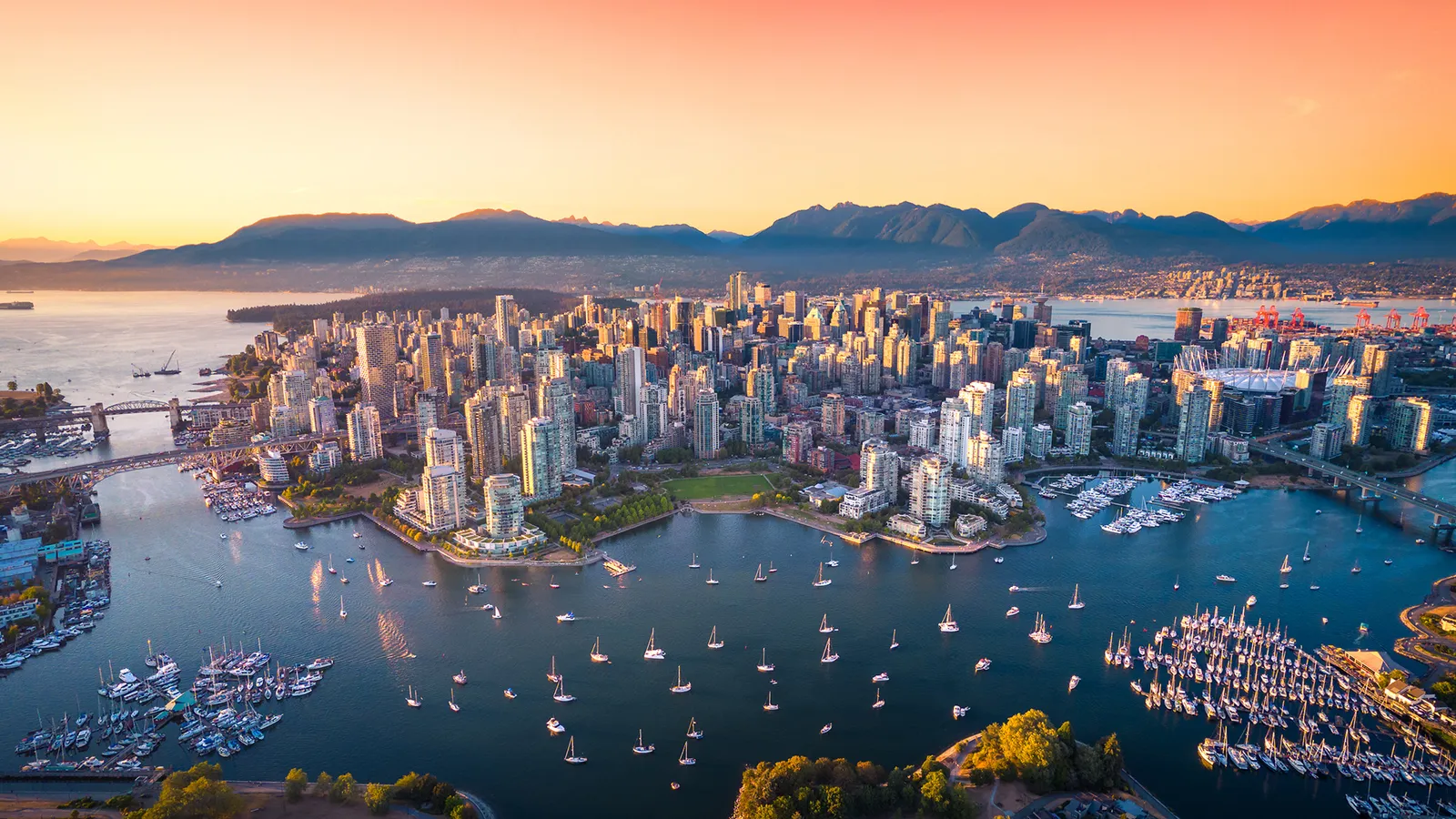
Aerial view of downtown Vancouver skyline at sunset
With Vancouver, Calgary and Toronto all ranked in the top 10 of the Global Liveability Index 2023, we speak to residents in each city to find out what makes life so sweet.
W

While European and Scandinavian destinations frequently find themselves atop world indexes – like the world's healthiest countries, or best countries for raising children – Canada has quietly been marching up the ranks as a country to contend with. That's been especially apparent in the latest most liveable cities index, conducted by the Economist Intelligence Unit, which named three of Canada's cities in the top 10, more than any other country represented.

The top three Canadian cities on the list included Vancouver (ranked 5th), Calgary (tied 7th with Geneva) and Toronto (ranked 9th), each with perfect healthcare and education scores. Those factors appeal to Canadians, who praise positive governmental policies that improve quality of life there.

"Our progressive politics and universal healthcare make Canada a wonderful place to live," said Vancouver resident Samantha Falk. "I cannot imagine living in a country where I have to worry about being able to afford to see a doctor or take my child to the hospital, or risk bankruptcy by having cancer."

This sense of care extends beyond politicians, leading to a feeling of community that improves liveability both at work and home. "Lending a hand at schools [to] supporting seniors to uplifting business owners, Canadians are known for their friendly and supportive nature," said Jane Stoller, Vancouver resident and founder of Organized Jane, a life-business organising service. "This sense of camaraderie fosters a positive environment where individuals can thrive and find fulfilment in both their personal and professional lives."
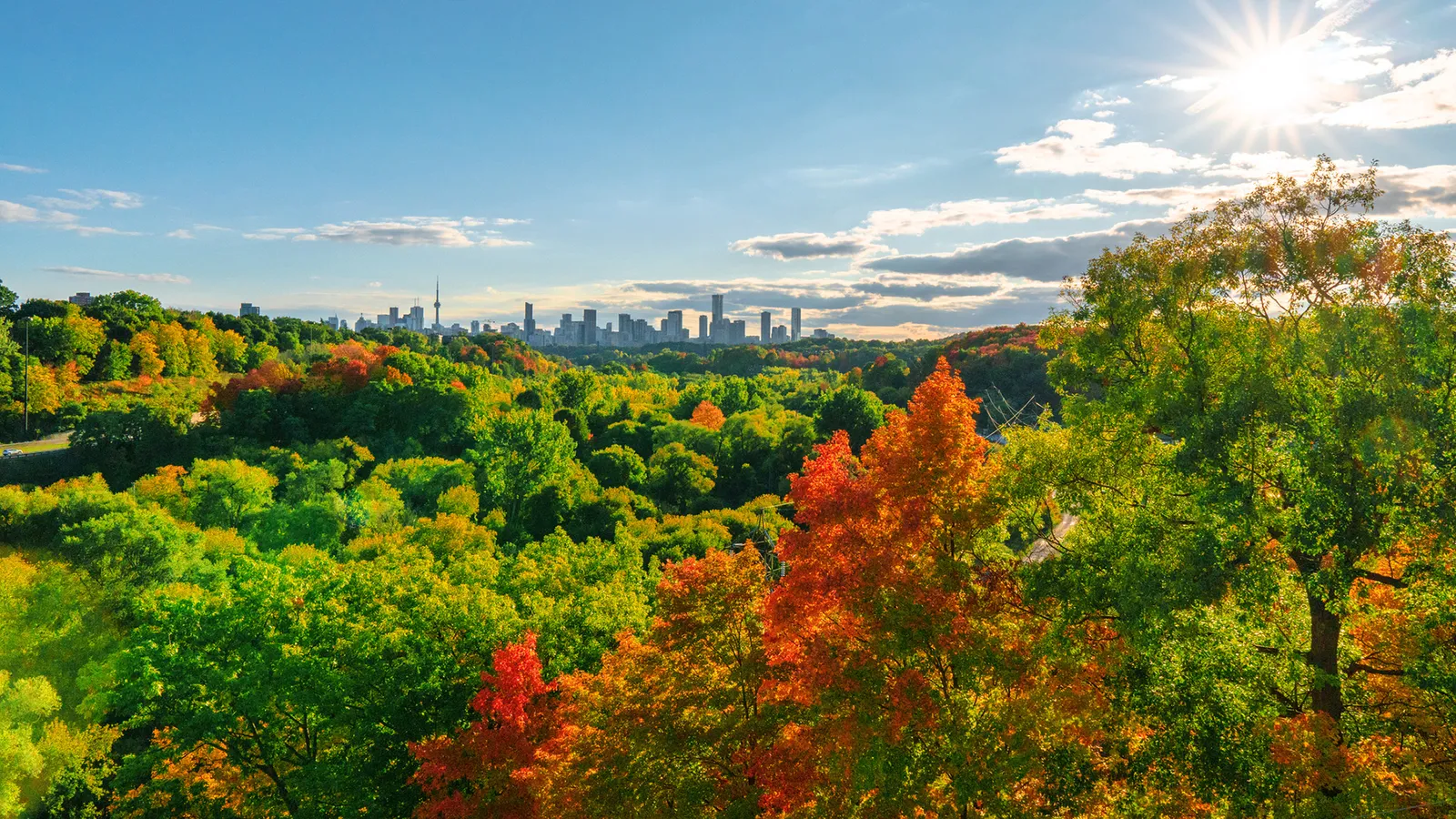
Canadians love the strong connection that the nation has to the outdoors (Credit: Orchidpoet/Getty Images)

Canadians love the strong connection that the nation has to the outdoors (Credit: Orchidpoet/Getty Images)

Canada's investment in public transportation and transit systems also makes navigating its big cities easier. Falk, who has also lived in Montreal, Calgary and Toronto, didn't get her driver's licence until she was 24, and a friend of hers is finally getting his at 53, simply because they haven't needed a car to get around.

However, what residents love most is the strong connection that the nation has to the outdoors. "All three [of the most liveable] cities – like so many cities in Canada – are located close to nature, and have also incorporated it into their city design," said Falk. "There's the ravine system and the beaches in Toronto; Mont Royal and tree-lined streets in Montreal; and Vancouver has Stanley Park, one of the world's best examples of urban nature." But even outside the big cities, the focus on nature remains a prominent feature, mirroring the importance of the wilderness to residents. "We are outdoor people!" Falk said.

Spread across the world's second-largest country (by landmass), each of the three Canadian cities has their own unique appeal. We talked to residents in each place to find out what keeps them living in and loving their respective cities.
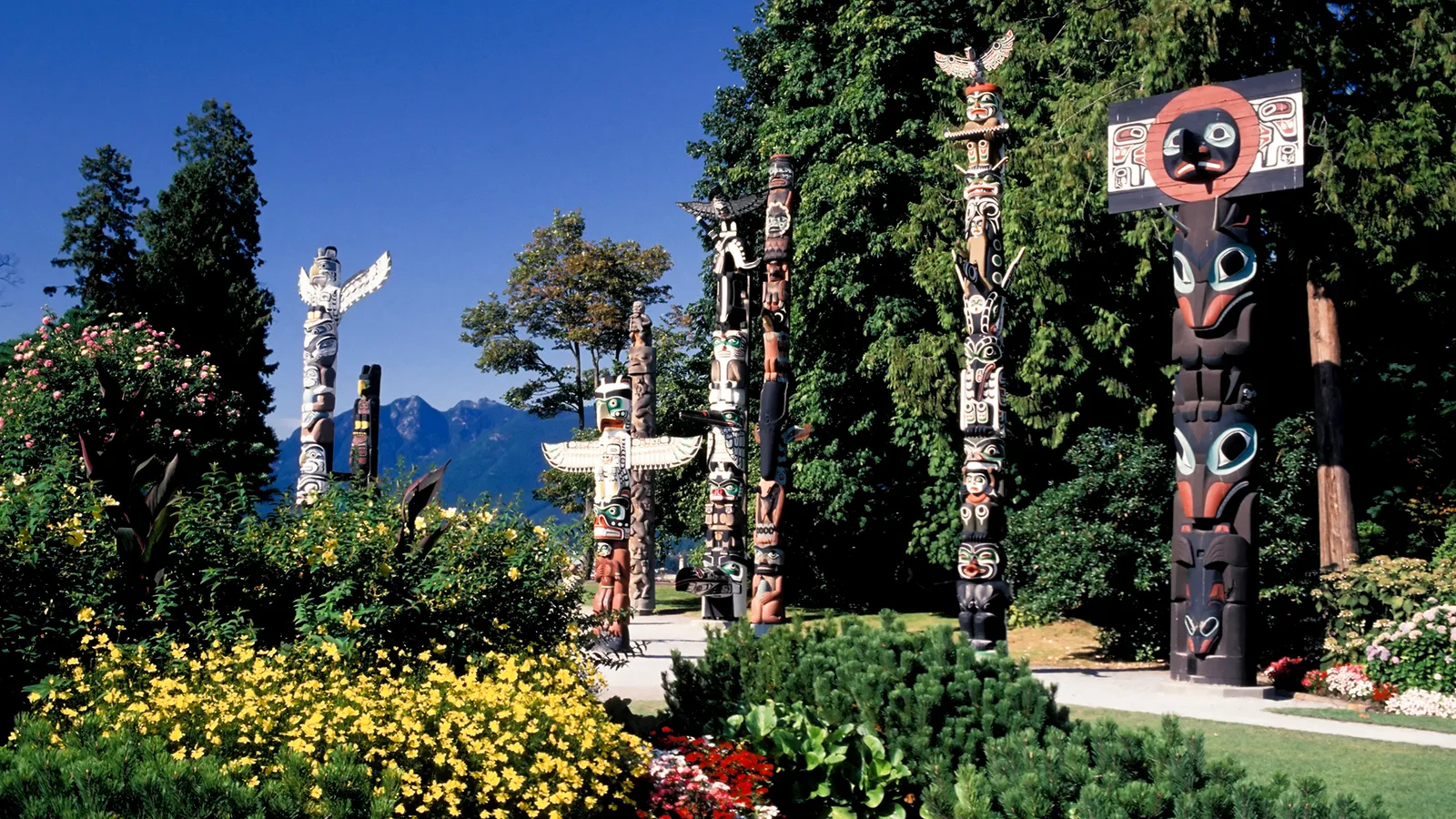
Vancouver's Stanley Park is a green oasis and one of the greatest urban parks in the world (Credit: Laughingmango/Getty Images)

Vancouver's Stanley Park is a green oasis and one of the greatest urban parks in the world (Credit: Laughingmango/Getty Images)

Vancouver

Located on the country's scenic west coast, Vancouver inched out as Canada's most liveable city thanks to sky-high scores in the culture and environment subindex, outranked only by Auckland in the top 10. That's a sentiment that residents echo, who are blown away by the natural beauty here.

"Vancouver's unique and gorgeous combination of mountains and ocean makes it irresistible," said Falk, who runs her eponymous communications firm out of the city. "Even after 20 years living in Vancouver, the city still takes my breath away."

To get the most out of the city and feel at home here, she says you must get outside – even (and especially) when it's raining. One easy place to do that is Stanley Park, a 405-hectare public park in the city centre that has a coastal rainforest with centuries-old trees, including the still-standing stump of a 700-800-year-old red cedar called the Hollow Tree.

For the truly hardcore, she recommends hiking the 2.9km Grouse Grind trail up the face of Grouse Mountain. "Often referred to as nature's 'stairmaster', the trail will make you feel like throwing up, but the payoff at the top is well worth it," she said. "Have a coffee or a glass of wine at the mountain-top restaurant and soak in the view – and take the gondola down."

For those that prefer calmer adventures, the food scene is one that's hard to beat. "From fancy restaurants to cool food trucks and farmers' markets, you'll never run out of tasty treats," said Stoller. Residents especially rave about Vancouver's sushi, which she says is the best and cheapest selection of sushi restaurants outside Japan.

The city also fosters an entrepreneurial and collaborative mindset that creates a welcoming sense of home. "Vancouver people are open-minded, diverse and love coming together for arts, tech or green initiatives," said Stoller. She also says the small geographical footprint keeps the city organised and creative. "You won't find as many big-box stores here, which promotes shopping local and supporting the community," she said. "It's a win-win for everyone."

Residents describe Calgary as having a small-town feel with big-city amenities (Credit: AJ_Watt/Getty Images)

Residents describe Calgary as having a small-town feel with big-city amenities (Credit: AJ_Watt/Getty Images)

Calgary

Situated near the Rocky Mountains in the western province of Alberta, Calgary outscored the other two Canadian cities with its perfect stability result in the index (a measure of civil unrest and government corruption). Residents describe Calgary as having a small-town feel with big-city amenities, while also having a lower cost of living than Canada's other comparable cities.

"Despite being one of the largest cities in Canada, Calgary manages to retain a unique charm, one that comes from friendly locals, a community-oriented mindset and neighbourhood-centric farmers' markets," said resident and travel blogger Lora Pope. "Yet it doesn't lack when it comes to trendy eateries, cultural festivals and amazing nightlife." The city is also diverse – the third-most diverse in Canada with more than 240 ethnic origins and 165 languages.

The city also has a lucrative oil and gas industry, a large white-collar business community and an affordable cost of living. "Calgarians have money and love to spend it," said Jessie P Cayabo, a communications professional who moved to the city from Edmonton three years ago. That means the walkable downtown and surrounding areas are packed during the summer months, while hockey season sees suits and ties swapped for Calgary Flames jerseys, she explained. The annual Calgary Stampede (which starts the first Friday of July) serves as a 10-day party and rodeo where everyone wears western gear and the festival welcomes people from all over the world.

"People go out. Patios are packed and restaurants are busy," echoed resident Shannon Hughes, owner of Calgary-based Captivate Benefits advisory firm. She suggests booking a spot at Major Tom restaurant at sunset to truly appreciate the city's mountain views.

Like much of Canada, the ease of access to nature improves the quality of life here. Calgary has the most extensive paved pathway and bikeway network in North America, with more than 1,000km of paths for walkers and cyclists. "My bike rides along these paths have led me to discover some of the city's hidden gems, provided spectacular views and given me a daily dose of the outdoors that I crave," said Pope.

Even in winter, the city has no shortage of activities, from skiing, skating, tubing, snowshoeing and even ice biking, with much of the infrastructure still in place from when the city hosted the 1988 Winter Olympics. Residents do say the winters are long and cold, so expats coming from warmer climates should invest in some good quality winter gear.

Toronto's PATH network connects more than 30km of restaurants, shopping, services and entertainment (Credit: Rubens Alarcon/Alamy)

Toronto's PATH network connects more than 30km of restaurants, shopping, services and entertainment (Credit: Rubens Alarcon/Alamy)

Toronto

As Canada's most populous city, Toronto combines big-city vibes with more than 1,500 parks that keep residents connected to the outdoors. With a perfect score in the stability sub-ranking, Toronto maintains a sense of safety that lets people feel comfortable whether they're walking, taking public transport or cycling.

In particular, the human-centred infrastructure means that life is much easier than in comparable big cities. Residents especially rave about the PATH, the underground pedestrian walkway that makes the Canadian winter more bearable. "From my office to the airport [train], dining, shopping and even doctor appointments, everything [is] conveniently accessible without the need for a winter coat," said resident Hoang Anh Le, who blogs at Luxury under Budget.

Resident Kyra Marskell agrees, saying while the Toronto Transit Commission (TTC) isn't without its flaws, having integrated transit options – most of which come within four minutes – makes a world of difference when coming from a suburb where driving is the only option. "We also have rental bikes all around the city which is a great green-friendly commuting option I've recently enjoyed," she added.

The city is also known for its diversity, with more than 51% of its residents born outside of Canada. "It's the only major Western city where the visible [non-white] minority is the majority," said Marcus Räder, CEO and co-founder at software company Hostaway. "There are chances to experience a lot of cultures and languages here, and Canada embraces multiculturality rather than pushing for assimilation." This cultural diversity enriches the community through a variety of festivals, cuisines at every price point and a respect for sharing new ideas and ways of living.

An entrepreneurial spirit also influences Toronto, from big business (Uber, Google and Facebook all have offices here) to new start-ups. In recent years, the city has become North America's third-largest tech hub, just behind New York City and Silicon Valley. When paired with city's diverse community, the tech scene creates great exposure to people from different cultures and backgrounds, say residents.

"It's interesting getting to learn cultural habits in relation to people's work and personal lives," said Jonathan Azouri, CEO and co-founder of CatchCorner, an app to book sports facilities. "It's almost as if you gain a sense of international work life experience without needing to leave the city."

Living In is a series from BBC Travel that discovers what it’s like to reside in some of the world’s top destinations.

--- 

Join more than three million BBC Travel fans by liking us on Facebook, or follow us on Twitter and Instagram.


If you liked this story, sign up for the weekly bbc.com features newsletter called "The Essential List". A handpicked selection of stories from BBC Future, Culture, Worklife and Travel, delivered to your inbox every Friday.

BBC Travel talks to residents in four of the best-rated nations to find out what it's really like to live there.
H

How is the world doing on gender equality? According to the World Economic Forum (WEF), the picture is mixed. The needle is moving in the right direction, according to its latest Global Gender Gap report, but incrementally. At the current rate of progress, the report finds, it will take 131 years to reach full parity between women and men (the report does not take into account non-binary or other identities). And no country has yet achieved full gender equality.

While countries in Europe and North America tend to do better than the rest of the world, there is plenty of variation. The United States, for example, ranks 43rd, with the gender gap less than 75% closed, behind countries including Colombia, Belarus, Liberia and Cabo Verde. Australia (77.8%) ranked 26th, between Mozambique and Chile, and Canada (77%) ranked 30th, between Slovenia and Barbados.

The report weighs aspects like women's economic participation (including the gender gaps in income, employment and leadership roles), educational attainment (with measures like literacy rates and educational enrolment), health and survival (such as life expectancy) and political empowerment (female representation in parliament, ministerial positions and years with a male or female head of state).

Based on this data, which places perform the best – and what do women say it's really like to live there? BBC Travel talks to residents and expats in four of the top-ranked nations to better understand what it's like to travel in or move to these countries.

As well as topping the Global Gender Gap report, Iceland also ranks as one of the world's most peaceful countries (Credit: Jordan Siemens/Getty Images)

As well as topping the Global Gender Gap report, Iceland also ranks as one of the world's most peaceful countries (Credit: Jordan Siemens/Getty Images)

Iceland

For the 14th year in a row, Iceland takes the top position in the WEF rankings, with it gender gap estimated to be 91.2% closed. It is the only country to have closed more than 90% of its gap.

TOP 10 COUNTRIES IN THE 2023 GLOBAL GENDER GAP REPORT:

  1. Iceland, gap 91.2% closed
  2. Norway, gap 87.9% closed
  3. Finland, gap 86.3% closed
  4. New Zealand, gap 85.6% closed
  5. Sweden, gap 81.5% closed
  6. Germany, gap 81.5% closed
  7. Nicaragua, gap 81.1% closed
  8. Namibia, gap 80.2% closed
  9. Lithuania, gap 80% closed
  10. Belgium, gap 79.6% closed

But the rosy picture depends on what, exactly, you look at. In the WEF report, Iceland ranks first in terms of political empowerment, thanks to the fact that nearly 25 of the last 50 years have seen a female head of state and that 48% of its parliament members are female, for example. But it comes in 79th in educational attainment and 128th for female health and survival.

Even on measurements where Iceland performs well, such as the wage gap, the day-to-day picture is more complicated, says Hulda Tolgyes, a psychologist from Iceland. Iceland's wage gap between genders is smaller than most other countries, partly thanks to 2018 legislation declaring that companies with more than 25 employees must provide equal pay for equal work (or risk daily fines). Yet Tolgyes says she regularly is offered a lower amount of money for speaking fees than her husband, even when they're offered by the same company – such a common occurrence that she believes it must be sexism at play.

"It's very frustrating for me as a feminist to see how things really are around here," she said. "We had a female president. We have a female prime minister. But what I see is tired and burnt-out women who are told they can do it all."

Still, Icelandic women say, there is a lot to appreciate. The country's First Lady Eliza Reid, a Canadian emigrant to Iceland who wrote the book Secrets of the Sprakkar: Iceland's Extraordinary Women and How They Are Changing the Worldhas remarked that her daughter has her surname, not her father's, and that her husband took several months of paternity leave for each of their children, for example. Along with Tolgyes, she agrees that the country has a long way to go – it isn't a "gender paradise". Still, she writes, it is a "society where women are treated on par with men, or, at least, the intention to do so exists".

For people of all genders, there are other benefits to Icelandic living, too: among other things, it's been ranked as one of the world's happiest countries and the most peaceful.

As well as topping the Global Gender Gap report, Iceland also ranks as one of the world's most peaceful countries (Credit: Jordan Siemens/Getty Images)

As well as topping the Global Gender Gap report, Iceland also ranks as one of the world's most peaceful countries (Credit: Jordan Siemens/Getty Images)

Norway

Norway ranks second in the WEF's 2023 rankings, with a global gender gap estimated to be 87.9% closed. It also ranked first in the 2021 Women Peace and Security Index.

The high performance isn't surprising, says Thea Ringseth, a Norwegian native who has lived in various parts of the country, including Oslo and Trondheim. "Gender equality is quite visible in Norway," she explained. "There are a lot more women in positions where they usually used to be men, like our prime minister, who for the last eight years was female, and there are a lot of female leaders in government and other key positions." In particular, Norway has more women represented in ministry positions than any other country.

Outside politics, Norway performs particularly well in terms of female literacy (it ranks first), the number of female professional and technical workers (also first) and income parity (ranking sixth).

Of course, Norway hasn't reached 100% gender equality – and that's still shown in societal attitudes. "It's expected that if your child is sick, for instance, it's usually the mother that stays home," said Ringseth. "But these things aren't, I think, especially Norwegian."

Meanwhile, there's a focus on freedom and empowerment for all Norwegian citizens that Ringseth holds dear. "As a society, it isn't frowned upon to further your needs, your education, your career, your social, economic needs [as a woman]", she said. "Being driven, career-oriented, ambitious – it is seen as something that is positive."

Ranking fourth on the report, New Zealand scores especially highly in political representation (Credit: New Zealand Transition/Getty Images)

Ranking fourth on the report, New Zealand scores especially highly in political representation (Credit: New Zealand Transition/Getty Images)

New Zealand

New Zealand comes in fourth on the WEF report overall, making it the top performer in the Southern Hemisphere. It does particularly well in terms of political representation, with 50% of its parliament members female, while female enrolment in primary and secondary education is nearly on par with male.

Jessica Vredenburg, a Canadian who has lived in New Zealand since 2016, is a marketing professor at Auckland University of Technology. "In my experience, at least in the business school, the gender split is really quite even," she said. "In our marketing department… we might even be more female-heavy than male. My dean is female. Most of my colleagues are female." She's not aware of ever having had less-than-equal career opportunities than her male counterparts.

Of course, like everywhere else, New Zealand is far from perfect. The WEF found that women earn an average $33,620 per year compared to $52,370 for men, for example, and in terms of wage equality for equal work, it ranks 37th. It also does relatively poorly for female life expectancy, at 109th in the world. The Indigenous Māori population is at particular risk, statistics show, with Māori women's life expectancy nearly seven years shorter than that of non-Māori women.

"My experience might be different for someone who has a Pacific Island or Māori background," Vredenburg said.

Gender equality aside, residents say there are many reasons to love living in New Zealand. The beauty of the landscape, from the mountains to the beaches, is one part. That it's small and easy to get around is another. Then there's the overall vibe. "It's very laid back, very easy-going, sort of chill. They really enjoy their sport and getting together – it's a friends-and-family, barbecue-and-gathering kind of culture that I quite enjoy," Vredenburg said.

Penohole Brock loves the music and energy found across Namibia (Credit: Keren Su/Alamy)

Penohole Brock loves the music and energy found across Namibia (Credit: Keren Su/Alamy)

Namibia

The only African country in the top 10, Namibia's gender gap is estimated to be 80.2% closed, putting it in eighth position. That means it bests many countries in other parts of the world, including the United Kingdom (15th, 79.2%), Spain (18th, 79.1%), Canada (30th, 77%) and the United States (43rd, 74.8%).

The country's ranking makes sense to Penohole Brock, a Namibian former gender sensitivity trainer who is now at the Ministry of International Relations and Cooperation. "A lot of our ministers are female. A lot of our ambassadors are female. And my work colleagues, I would say, do not face discrimination when it comes to career trajectory – it's been a very healthy work environment in that sense," she said.

Still, representation is only part of the equation. "Gender parity is a great step in the right direction. But now it's time to look at and analyse, 'Okay, but then what are these female voices advocating for?'," she said. In terms of gender-based violence and sexual harassment, "we still have quite a long way to go". The 2021 Women Peace and Security Index, for example, placed Namibia 95th, behind other African countries including Mauritius, Rwanda, South Africa and Ghana.

But Brock, who also has lived in both South Africa and Paris, says she wouldn't want to be anywhere else. "The people, the music, the energy – I love it. It's so diverse. Each region is so different," she said. "I see so much potential in Namibia. It's a wonderful place."

Living In is a series from BBC Travel that discovers what it’s like to reside in some of the world’s top destinations.

--- 

Join more than three million BBC Travel fans by liking us on Facebook, or follow us on Twitter and Instagram.

If you liked this story, sign up for the weekly bbc.com features newsletter called "The Essential List". A handpicked selection of stories from BBC Future, Culture, Worklife and Travel, delivered to your inbox every Friday.


Five of the best countries for expats in 2023

Share on Linkedin
(Credit: Алексей Облов/Getty Images)
A new survey on living and working abroad has revealed the best countries for expats to live. From Malaysia to Mexico, residents explain what makes them love their new home.
W

Whether it's navigating the nuances of a new culture, seeking out the best local haunts or establishing new friendships, living abroad has no shortage of joys and challenges. But depending on what kind of lifestyle you're looking for, some places make expat living easier than others.

Internations, the world's largest expat network, recently put together its annual Expat Insider report, which ranks the top countries based on 56 aspects of expat life from cost of living to housing to high-speed internet availability. More than 12,000 expats representing 171 nationalities and living in 172 countries or territories responded, which resulted in an eclectic and sometimes-surprising list spanning the globe.

We spoke to residents living in a few of the top-ranked countries to understand what aspects of life help expats feel at home and allow them to build a new life there.

Mexico

Ranked number one in this year's survey, Mexico is no stranger to the recognition, after placing within the top five every year since 2014. The country ranks first in the Ease of Settling In index and its local friendliness subcategory, which also results in high scores in finding friends. In fact, 75% of expats surveyed said it's easy to make local friends here, compared to just 43% globally.

"The people are some of the friendliest people you will ever meet," said Dutch expat Aemilius Dost, who has lived in Mexico for a year and a half and blogs at Road to the Unknown. "I thoroughly enjoy the interactions I have while shopping for fresh fruits and vegetables at my local market. The simplicity of the lifestyle is easy for many to adopt."

TOP 10 COUNTRIES FOR EXPATS

Mexico
Spain
Panama
Malaysia
Taiwan
Thailand
Costa Rica
Philippines
Bahrain
Portugal

Though Mexico's bureaucracy can be challenging to navigate, it's also easy to maintain residency if you qualify, and there's no minimum amount of time you need to stay in the country to keep your visa status. While English is spoken in the most touristy areas, expats will find life easier if they work on their Spanish before they arrive. Even if you're not an expert by the time you move, a little practice can go a long way. "Poco a poco (little by little), your Spanish knowledge will start to grow," said Julien Casanova, founder of Oaxaca Travel Tips who has lived in Mexico for five years and is originally from the US.

Expats also express a deep appreciation for Mexico's culture and history, echoed in its top ranking in the culture and welcome subcategory. "Close connection to family and tradition are infused throughout Mexican culture," said Casanova. "I love living in Oaxaca City for this reason. It's an incredibly festive city with deep roots in its pre-Hispanic past."

Mexico has no shortage of unique cities that expats call home. "Mexico has all the landscapes, all the climates, all the gastronomy and culture. And best of all, the warmth and service of the people, the good humour always, the permanent party atmosphere wherever you go. It's just a matter of connecting with everything," said Elizabeth Lemos, originally from Uruguay, who has lived in Mexico since 2022 and serves as an Internations ambassador (a position that works to organise local expat gatherings). "In Mexico, you can find your place in the world."

Spain

Spain has ranked in the top 10 in the survey's Quality of Life index since 2014, due to its culture and nightlife, opportunities for recreation and leisure, and its moderate climate and weather.

"Even though it differs significantly from the south to the north of the country, the temperatures are generally mild and pleasant," said resident Patricia Palacios, co-founder of España Guide, who has lived in Spain for the past decade. She says the weather is one of the main benefits of living here. "For example, cities such as Valencia and Malaga boast more than 300 sunny days per year and have an average temperature of 18C (65F)." She also loves the food options that the Mediterranean climate provides, and that the landscape and architecture that has been influenced by so many cultures over the years.

Valencia has a mild climate with more than 300 days of sunshine per year (Credit: Gonzalo Azumendi/Getty Images)

Valencia has a mild climate with more than 300 days of sunshine per year (Credit: Gonzalo Azumendi/Getty Images)

Cost of living continues to be less here than in other European countries, which can either be a blessing or a curse depending on your career status, since local salaries tend to be lower. "It would definitely be best if you could work remotely and earn a higher foreign income so that you could have a better standard of living," advised Palacios. And while the country has a lauded digital nomad visa programme, she also says that being a freelancer can come with bureaucratic headaches and a "freelancing fee" on top of your normal taxes.

According to Palacios, locals tend to be easy-going, friendly and welcoming, especially to those trying to learn the language. They are very patient with foreigners with limited Spanish skills, which can be very important when starting out in a new country," she said. According to the Internations survey, 80% of expats feel at home here, 18% higher than the global average.

That said, she recommends anyone moving here take dedicated Spanish classes. "Only if you speak the language will you be able to make the most out of your new life in Spain," she said. "It's also a way of showing respect and appreciation for the local culture."

Panama

This Central American country ranks third in the index thanks to high scores in the ease of settling in, ease of finding friends and the culture and welcome categories. Like Spain, the country has introduced a digital nomad visa, with one of the world's lowest fees – in fact, expats in the index rank it one of the top-five countries where it's easiest to get a visa. The climate and weather also help the country's high placement, ranking 11th overall in that subindex.

"Panama has amazing weather per my personal preference – 75F-85F [24-29C] all year, and a good mix of rain and sun," said expat Sarah Bajc, owner at the local Camaroncito EcoResort & Beach. The country is also closer geographically to the United States, making it easier for her to have phone calls and visits with family and friends after 10 years of living in Asia.

Expats are drawn to Panama by affordable housing, warm weather and ease of getting a visa (Credit: Bogdan Lazar/Alamy)

Expats are drawn to Panama by affordable housing, warm weather and ease of getting a visa (Credit: Bogdan Lazar/Alamy)

The US-dollar-based economy also makes it easy to handle finances, said Bajc, and allowed her to purchase real estate relatively straightforwardly. Similarly, the Internations survey also found that most expats think housing here is both easy to find and afford. The country ranked eighth overall in the Personal Finance index, with 80% of expats reporting being happy with their financial situation.

Prioritising economic and personal safety along with the opportunity to purchase beach-front real estate, Bajc found her decision on where to retire easy. "Panama was the winner," she said. "Especially when considering the economy, weather and a welcoming, diverse culture that loves to dance!"

Bahrain

The only Middle Eastern country in the top 10, Bahrain ranked ninth and was the most improved country on the list from 2022 to 2023, moving up 19 places. It moved up the most in the Personal Finance index, as nearly half of expats surveyed rated the cost of living more favourably than in 2022, and reported a great satisfaction with their financial situation.

The country also scored well across multiple types of indexes, ranking number one in the Expat Essentials category, which includes topics like administration (such as opening a bank account), housing, digital access and language. It's also one of the easiest places to get a visa and deal with local authorities, and 78% of those surveyed reported that it's easy to live here without speaking Arabic.

During expat gatherings and events, other expats inevitably gush over how beautiful the country is and how welcomed they feel with Bahraini friends and colleagues

Residents also say the country grows on you, with appreciation for its benefits only deepening over time. "During expat gatherings and events, other expats inevitably gush over how beautiful the country is and how welcomed they feel with Bahraini friends and colleagues," said Internations ambassador Sharmila Vadi, who is originally from India and a 23-year resident of Bahrain's capital, Manama. "Almost everyone you talk to will agree with you about how warm and culturally friendly the country and its people are."

Manama is Bahrain's largest city and its national capital (Credit: Mekdet/Getty Images)

Manama is Bahrain's largest city and its national capital (Credit: Mekdet/Getty Images)

Vadi cites a work environment that is welcoming but competitive enough to keep growing a successful career. "A brilliant mix of well-educated Bahraini workforce working side by side with skilled expatriates makes the work environment very exciting and conducive towards knowledge exchange, therefore leading to fantastic career growth for all," she said. She notes that many expats have found career success and end up staying longer than originally planned, even purchasing property.

Vadi has also seen a rise in the availability of entertainment options over recent years, especially the months leading up to the Bahrain Grand Prix (held in March), which sees top musical artists performing concerts along with art exhibitions and other creative activities. The annual Spring of Culture Festival brings together talent and showcases from across the world (like Turkish poetry and the Japan Film Festival), while also highlighting the country's own rich culture and historical sites. "There is always much to look forward to in terms of entertainment, allowing us to enjoy a good work-and-personal-life balance," said Vadi. "This makes it both exciting at times, and occasionally slow enough to make living here quite an enjoyable experience."

Malaysia

Ranked number four in the overall index, Malaysia jumped up the Quality of Life subindex this year, with residents ranking the country third in its availability of travel opportunities. The Southeast Asian country also scores well in local friendliness and personal finance.

The ability to reach the whole of Southeast Asia within two hours of flight time makes it the centre of the region

Spanning two regions (Peninsular Malaysia and East Malaysia on the island of Borneo), Malaysia is a stellar homebase for those looking to travel frequently. "The ability to reach the whole of Southeast Asia within two hours of flight time makes it the centre of the region, allowing easy access to regional markets," said resident and Internations ambassador Shawn Bhushan, who was born here but has also lived in Singapore, London, Hong Kong and Miami. He also loves exploring the country itself and getting to know it in a new way. "The sparse and vastness of the country allows discovery of foods, travel to vintage cities, Unesco heritage sites, islands, history, geography and religions."

Malaysia has an astonishing variety of landscapes, cultures, cities and cuisines (Credit: Bloodua/Getty Images)

Malaysia has an astonishing variety of landscapes, cultures, cities and cuisines (Credit: Bloodua/Getty Images)

Bhushan finds the cost of living here to be very manageable, with income and overheads easy to balance. English is widely understood, and the local language is written in Romanised script, making it easier for English speakers to read. As a teacher who previously lived in Malaysia for two years, Bajc added that education is respected here. "The Malay culture prizes education, and my students (and their parents) treated me with great affection and respect," she recalled.

In this warm and welcoming culture, Bajc was able to make many friends within the traditional Malay community as well as the Indian and Chinese communities, but she notes that there's a difference between social friendship and genuine acceptance that expats may find challenging in the long run. That said, expats report that it's easy to initially engage with people here. "There is an air of social ease in many settings where a conversation can be struck, and people respond with humility and sincerity," said Bhushan.

Living In is a series from BBC Travel that discovers what it’s like to reside in some of the world’s top destinations.

--- 

Join more than three million BBC Travel fans by liking us on Facebook, or follow us on Twitter and Instagram.


If you liked this story, sign up for the weekly bbc.com features newsletter called "The Essential List". A handpicked selection of stories from BBC Future, Culture, Worklife and Travel, delivered to your inbox every Friday.

;

The world's most liveable cities for 2023

Share on Linkedin
Auckland skyline with Sky Tower from Mount Eden
We speak to residents in five of the highest-ranked cities to get the low-down what makes them so special.
A

After a pandemic slump, quality of life is again on the rise in many of the world's cities. In fact, overall liveability has reached a 15-year high, according to the Economist Intelligence Unit's annual Global Liveability Index, which rates 173 cities on factors including stability, healthcare, culture & environment, education and infrastructure.

The rise comes largely due to healthcare and education gains across Asia, the Middle East and Africa – even as stability scores have dropped overall in the face of civil unrest amid rising cost-of-living concerns worldwide and continued conflict in cities like Kiev. The end of pandemic restrictions across the world has also improved culture and environment scores as events and attractions have come roaring back.

While an index can put data around what makes a place liveable, it's the people who experience it day in and day out who can speak best to what it's actually like to live there. We spoke to residents in a few of the top 10 ranked cities to find out the reasons they choose to call it home.

Vienna retained the top spot this year with perfect scores in stability, healthcare, education and infrastructure (Credit: Sylvain Sonnet/Getty Images)

Vienna retained the top spot this year with perfect scores in stability, healthcare, education and infrastructure (Credit: Sylvain Sonnet/Getty Images)

Vienna, Austria

The Austrian capital is no stranger to the number one spot in the liveability index, only losing the accolade briefly in 2021 when pandemic closures impacted its museums and restaurants. With perfect scores in stability, healthcare, education and infrastructure, Vienna is more than the sum of its parts, according to residents.

"You basically have a full life circle in one place," explained Manuela Filippou, manager of two Michelin-star restaurant Konstantin Filippou and adjoining natural wine bar (both of which she runs with her eponymous chef husband). With its preserved history, reliable public transportation system, affordable childcare and easy access to cafes, theatres and even wineries within the city limits, Vienna can feel like an eternal staycation spot, she said.

"Sometimes, when we work too much and don't get to go anywhere in a long time, we don't even notice it because we can satisfy our hunger for all of the above within the borders of the city," Filippou added.

For resident Richard Voss, sales & marketing manager at hotel Das Tigra, the city's liveability is only enhanced by the rich cultural history and activities available here. "Vienna has a variety of impressive historical buildings, including Schönbrunn Palacethe Hofburg and Vienna City Hall," he said. "The city is also known for its musical tradition, with famous composers such as Mozart, Beethoven and Strauss having lived and worked here." He says residents can easily tap into the these same cultural traditions through the city's numerous museums, theatres and opera houses.

He also recommends delving into Vienna's culinary history, sampling traditional dishes like wiener schnitzel and sachertorte, and visiting the various markets, such as the Naschmarkt, to enjoy fresh food and local specialities.

Melbourne was ranked third, with top scores in culture and environment (Credit: Boy_Anupong/Getty Images)

Melbourne was ranked third, with top scores in culture and environment (Credit: Boy_Anupong/Getty Images)

Melbourne, Australia

Both Melbourne and Sydney regained their rankings (third and fourth respectively) in the top 10 after dropping in the index during the coronavirus pandemic that stressed the Australian healthcare system and resulted in long lockdowns. Melbourne in particular scored the country's highest culture and environment score — traits that residents rave about.

"Melbourne has such an incredible food scene, cultural arts, events and attractions, as well as playing host to all the major international sports and events like the Australian Formula 1 Grand Prix and the Australian Open," said Jane Morrell, disability advocate and founder and CEO at Carer Solutions. She also says the city is easy to navigate, with easy jump-on, jump-off trams that run throughout the CBD and suburbs. It's also just a short drive to get to world-famous beaches and wine country.

For blogger Kimmie Conner, originally from California, the city took some warming up to when compared to its counterparts. "Places like Sydney are beautiful right away, with stunning views, coasts and iconic buildings. But Melbourne isn't a city of landmarks, it's a city of culture; and discovering that takes a bit more digging," said Conner, who writes at Adventures & Sunsets and now chooses to live in the city over any other. "To discover the pulse of Melbourne, you have to stumble across a tiny coffee shop down a colourful laneway and be served some of the best coffee of your life. You have to try the tasting menus at specialty restaurants around the city and discover hidden cocktail bars – often hidden behind secret doors or wardrobes."

Melburnians are just so approachable and friendly. There is nothing and no one that this brilliant city does not cater for

Conner finds people to be more initially welcoming here than in Sydney, while Morrel also cites the positive attitude of residents as a factor that increases liveability. "Melburnians are just so approachable and friendly," said Morrell. "There is nothing and no one that this brilliant city does not cater for."

Residents love Vancouver for its proximity to beaches, mountains and forests (Credit: Sterling Lorence Photo/Getty Images)

Residents love Vancouver for its proximity to beaches, mountains and forests (Credit: Sterling Lorence Photo/Getty Images)

Vancouver, Canada

Three Canadian cities (including Calgary and Toronto) cracked the top 10 this year, but Vancouver ranked the highest (at spot five) for its superior culture and environment scores – traits that residents point to right away in their love for their city.

"Vancouver provides easy access to the forest, sea and sky," said Tony Ho, a resident and small business owner. "Our transit system allows you to go from beautiful English Bay to the top of the city on Grouse Mountain all in the same day and by bus, bike, train and boat." He also loves the city's diverse cuisine – a reflection of Vancouver's multicultural makeup – where you can find everything from Ethiopian injera to Tibentan momos. "The breadth of food cultures and the people who share them is always growing."

As a parent of a young child, he also appreciates the numerous parks and beaches – all less than 20 minutes from the city centre. "It's something I want my kid to have access to for the rest of his life," said Ho.

Business owners from other countries are also drawn here for the supportive immigration policies. "As an entrepreneur and immigrant from Croatia, I was looking for a city that fostered business growth but was also vibrant and accepting," said Joe Tolzmann, CEO of mobile platform RocketPlan. "For starting a business, what Vancouver does so well is the people. There's someone you can reach or services to turn to every step along the way of your entrepreneurial journey. The business community here is extremely supportive and inclusive."

Beyond business, the scenery always offers a welcome repose. "When I needed a break, there was the ocean on one side and the mountains across the street," Tolzmann added.

Locals say that Osaka is more affordable and feels safer than other similar big cities (Credit: Simonlong/Getty Images)

Locals say that Osaka is more affordable and feels safer than other similar big cities (Credit: Simonlong/Getty Images)

Osaka, Japan

Ranked 10th in the index, and the only Asian country to crack the top 10, Osaka scored a perfect 100 across its stability, healthcare and education scores. As cost of living continues to put a squeeze on many household incomes across the world, Osaka's affordability is also a huge plus for residents.

"Rent in Osaka isn't expensive comparing to other metropolises in Japan and in the world," said resident Shirley Zhang, who is originally from Vancouver. "My rent is about [the equivalent of] C$700 [£410] each month with water, internet and maintenance fee included. Although the apartment is small, it's new and clean. If you were to rent a place like mine in Vancouver, it will cost no less than C$1200 [£705]."

Dining out at restaurants for less is also a highlight for locals. "Unlike where I am from in the UK, where dining out can significantly dent the wallet, Osaka provides quality restaurant meals at surprisingly budget-friendly prices," said resident James Hills. "You can afford to eat cooked, tasty meals at restaurants on a daily basis."

The city also feels safer than other similar big cities. "I feel very safe walking home by myself even in the middle of the night," said Zhang. She says she never worries about her bag or purse getting stolen, even when they're left unsupervised.

Residents are quick to take advantage of the reliable public transportation network. "The city and surrounding area has an extensive train network," said Jonathan Lucas, marketing specialist at the Osaka Tourism Bureau. "It's quick and easy to get out of the city for a day and explore other great locations like Kyoto, Nara and Kobe."

Auckland was awarded the highest culture and environment score out of the top 10 cities (Credit: Scott E Barbour/Getty Images)

Auckland was awarded the highest culture and environment score out of the top 10 cities (Credit: Scott E Barbour/Getty Images)

Auckland, New Zealand

Tied at number 10 with Osaka, Auckland climbed more than 25 spots from last year, due in large part to its delayed reopening from the pandemic, where restrictions and mandates weren't fully lifted until September 2022. Alongside its perfect education score, the city also had the highest culture and environment score among the top 10 cities, a data point that residents echoed in their experiences here.

THE TOP 10 MOST LIVEABLE CITIES

Vienna, Austria
Copenhagen, Denmark
Melbourne, Australia
Sydney, Australia
Vancouver, Canada
Zurich, Switzerland
Calgary, Canada / Geneva, Switzerland
Toronto, Canada
Osaka, Japan / Auckland, New Zealand

"A beautiful secluded beach is probably within a 20-minute car drive for most living in Auckland, if not closer," said resident Megan Lawrence, who blogs at My Moments and Memories. "We have a stunning aquatic playground on our doorstep, with many ways to enjoy it. Likewise, the city is fringed by beautiful native bush, where it's easy to escape and not feel like you're in a city at all."

As the largest city in New Zealand, residents also benefit from world-class events, including the 2023 FIFA Women's World Cup. "We get all the best concerts, shows and sporting events right on our doorstep," said resident Greg Marett from guided travel company AAT Kings. "Next week, I am going to see Egypt In The Time of the Pharaohs at the Auckland Museum."

He also emphasises the beauty of the city's stunning harbour, with the moored yachts and sailboats giving it the nickname "The City of Sails", and recommends first-timers visit the Auckland Maritime Museum to learn about the city's maritime history and New Zealand's history of competing in the Americas Cup.

As a relatively young and culturally diverse country, New Zealand embraces and adapts to food cuisines from across the world, so both restaurants and supermarkets have many choices on offer, says Lawrence . But what really makes it liveable is the friendliness of the people. "Most Kiwis are kind, willing to help and always have a cheery hello when you cross paths on a walk," she said. "I love how open with a smile and a hello people are here."

Living In is a series from BBC Travel that discovers what it’s like to reside in some of the world’s top destinations.

--- 

Join more than three million BBC Travel fans by liking us on Facebook, or follow us on Twitter and Instagram.

If you liked this story, sign up for the weekly bbc.com features newsletter called "The Essential List". A handpicked selection of stories from BBC Future, Culture, Worklife and Travel, delivered to your inbox every Friday.

;

Rio de Janeiro: The "Marvellous City" welcomes digital nomads

Share on Linkedin
(Credit: Giordano Cipriani/Getty Images)
Launched in January 2022, Brazil's new Digital Nomad Visa is enticing a new type of traveller to the South American country. And Rio is one of the most alluring spots to settle.
R

Rio de Janeiro, a colourful urban sprawl divided by forest-covered mountains and edged by golden coastlines, has long seduced international tourists with its samba-fuelled nights and spectacular landscapes. Now, the "Marvellous City", as it's known by Brazilians, is enticing a new type of traveller with its Digital Nomad Visa, which was launched across the country last year.

The local government has been pushing ahead with investments to make the city increasingly suitable for remote workers, including improving connectivity with citywide 5G coverage. An emerging coffeehouse scene also brings new working spots and a digital nomad vibe to Rio's popular beachside areas, with modern cafes equipped with fast internet, contemporary brunch options and a variety of decent coffee.

But it's not all about the grind. Rio-born Cariocas cherish playing sports, being in nature and socialising after working hours, and it's this work-life balance that makes Rio so appealing to digital nomads over other Brazilian cities. "Unlike São Paulo, Brasília and Belo Horizonte, Rio has both big-city amenities and amazing beaches, hiking and other outdoor attractions," said Janeesa Hollingshead, a North American digital nomad who has been living in Rio for a year.

Digital nomads are drawn to Rio by the work-life balance, with locals loving socialising and being outdoors (Credit: MareMagnum/Getty Images)

Digital nomads are drawn to Rio by the work-life balance, with locals loving socialising and being outdoors (Credit: MareMagnum/Getty Images)

Why should I go now?

Getting residency in Brazil was once shrouded in red tape, but the Digital Nomad Visa has made the process easier. It enables visitors to keep their current employment in another country while allowing stays of one year, with the option of renewing for another 12 months. Applicants must provide proof of work and earn at least US$1,500 (£1,200) per month or have US$18,000 (£14,400) in savings.

Remote workers in Rio also have the benefit of a thriving digital nomad community, said Hollingshead. Highly active social media and WhatsApp groups allow visitors to find an assortment of in-person meetups, from samba nights and hiking expeditions to business-networking and language exchanges. These online hubs are also valuable resources for finding out information about visas, taxes and other general day-to-day life in Rio.

We [foreigners] get treated well here – locals want to help you. That makes you feel good about where you live

The international community is also supported by welcoming and friendly locals. "We [foreigners] get treated well here – locals want to help you. That makes you feel good about where you live," said Dan Hobbs, Australian owner of Aussie Coffee in the beachside neighbourhood of Ipanema.

Working amenities

Traditional bakeries designed for in-and-out strong espressos and quick bites remain prolific. But remote workers can also find several coffeehouses dotted throughout Rio's affluent South Zone (Zone Sul) that offer air conditioning and high-speed internet, such as Café Cultura and Mini Joe in Copacabana and Aussie Coffee in Ipanema. "There are free Wi-Fi spots you can easily find and laptop friendly," said Emily Anctil, a multilingual advisor specialist from Canada who worked remotely in Rio for six weeks.

Most of the city's co-working spaces are located in Centro (Credit: MareMagnum/Getty Images)

Most of the city's co-working spaces are located in Centro (Credit: MareMagnum/Getty Images)

Many of Rio's coworking spaces are in the business block of downtown Centro, which is a bustling hive during weekday working hours but largely deserted in the evenings and weekends. Coworking spaces in Rio's city centre often appeal to corporate individuals looking for quiet places to make calls, whereas coffee shops reel in digital nomads seeking a more laid-back community, Hobbs explained. 

"We get digital nomads every single day [in Aussie Coffee] because they feel comfortable working here," he said. "A lot of foreigners come to Rio by themselves. They might have friends, but they seek the community that they can find here."

Living in Rio

Rio is one of Brazil's most expensive cities, but it's still affordable compared to European and American metropolises, especially with the current exchange rates. "You get a lot of value for your money in Brazil, especially if you have euros and dollars," said Jack Krier, YouTuber and content creator from Luxembourg who worked remotely in Brazil for two months. "Rio is a bit more expensive than São Paulo, but still, compared to Western prices, it's just really good value."

You get a lot of value for your money in Brazil, especially if you have euros and dollars

It means prime locations, such as the beachside neighbourhoods of Leblon, Ipanema and Copacabana, become much more accessible. "I could never live on the beach in Australia, as I do here. And [Ipanema] is one of the best beaches in the world," said Hobbs.

Inland neighbourhoods such as Flamengo, Botafogo and Catete are cheaper options that are still located near beaches, hikes and vibrant nightlife. For Hollingshead, Botafogo is her favourite place to live. "It's super walkable, has a ton of restaurants and bars, is within walking distance to two different shopping malls (each with good coworking spots) and feels much less touristy and crowded than Copacabana. You can also get much more space for better prices," she said.

"Enjoying the outdoors is the essence of Rio," according to Brazilian tour guide Alessandra Alli (Credit: John W Banagan/Getty Images)

"Enjoying the outdoors is the essence of Rio," according to Brazilian tour guide Alessandra Alli (Credit: John W Banagan/Getty Images)

Work-life balance

Enjoying the outdoors is the essence of Rio, whether that's running along Copacabana's black-and-white promenade, surfing the gentle waves of Ipanema or sitting outside a bar for cold beers and a samba. "The outdoor lifestyle is of great importance to the city," said Alessandra Alli, a Brazilian tour guide and founder of Hike in Rio

The beaches, forest hikes and numerous alfresco drinking spots are all on the doorstep of anyone who lives in the South Zone, making it easy to slip into a fun activity once the laptop has been closed for the day. There are many free and affordable outdoor activities available, including free beach gyms in Ipanema as well as free daily yoga, spinning classes on the beach and HIIT sessions on the Mude app, which anyone can sign up to. 

Keen hikers can enjoy miles of trails through the Atlantic Forest, one of the world's most biodiverse biomes, that surrounds the city and caters to all tastes with attractions including deep caves, refreshing waterfalls and breath-taking viewpoints. "That's why [Rio's] trails are unique," said Alli. "[Rio] has trails for all ages, all levels of difficulty and different distances." 

For those more interested in sinking into cultural activities after a day's work, there's no shortage of live music, street markets and weekend gastronomic events. "The culture in Rio has so many layers. There's so much depth and colour in it," Hobbs said.

It's hard to get any work done in Rio, because there's just so much happening

It's a contagious way of life and requires willpower to ensure you keep working, said Krier. "It's hard to get any work done in Rio, because there's just so much happening." This can be especially true at Carnival, which officially takes place for six days in February or March, beginning the Friday before Ash Wednesday. During this time, the city shuts down and the party vibe becomes palpable. Brazilians often joke that the year only starts after Carnival, so be prepared for work to slow down in the lead up to and during the celebrations.

Work often slows down in the lead up to Carnival and during the six days of official celebrations (Credit: Jag Images/Getty Images)

Work often slows down in the lead up to Carnival and during the six days of official celebrations (Credit: Jag Images/Getty Images)

Know before you go

Brazil's reputation of crime can alarm some digital nomads considering making the move to Rio. Most violent crimes occur in favelas and the neighbourhoods on the outskirts of the tourist spots. However, vigilance is still required to avoid pickpocketing and muggings. Keeping expensive devices out of sight and taking taxis, especially at night, are advised to mitigate such risks. Anctil named safety as one of the cons to working in Rio but added, "I have had zero issues myself".

English isn't widely spoken throughout Rio, although locals tend to be supportive towards Portuguese learners. "Everyone has been very welcoming and patient with me as I learn Portuguese (which has been a challenge!), and I appreciate that so much," said Hollingshead.

It's worth learning some Portuguese basics before going to Rio or doing a Portuguese course upon arriving for longer-term residents.

Living In is a series from BBC Travel that discovers what it’s like to reside in some of the world’s top destinations.

--- 

Join more than three million BBC Travel fans by liking us on Facebook, or follow us on Twitter and Instagram.


If you liked this story, sign up for the weekly bbc.com features newsletter called "The Essential List". A handpicked selection of stories from BBC Future, Culture, Worklife and Travel, delivered to your inbox every Friday.

;

Five countries that are safer for women

Comments